
Apartment Bonanza Coming to an End
Published On: September 21, 2026 Posted by: Jeremy Peterson
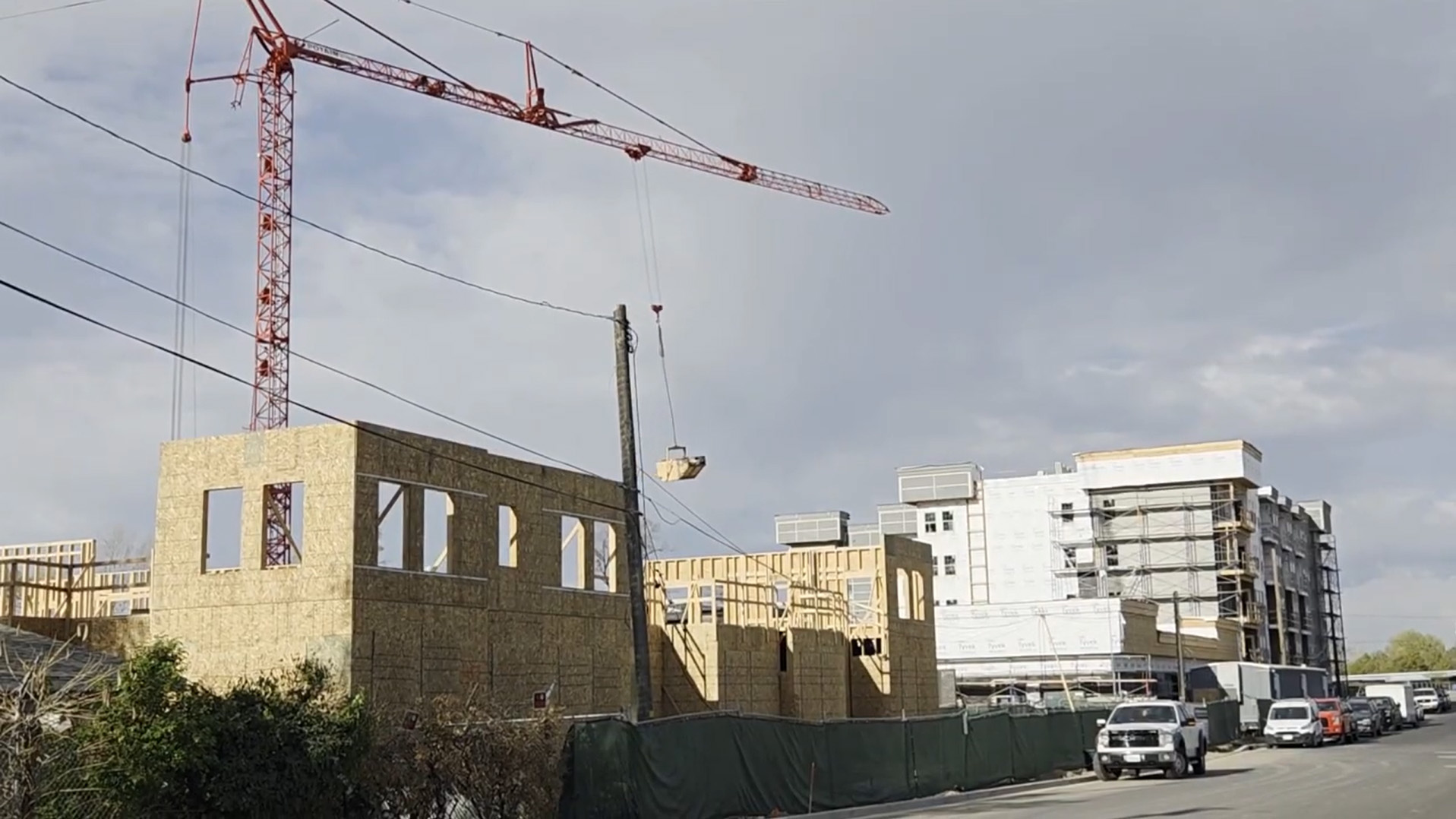
Over the past 10 years, Utah has seen an explosion in apartment construction. Several forces combined to turn what was a slow build industry into the hottest section of new residential construction. Today, the consequences of this phenomena are blooming full flower and self-correction is visible on the horizon.
To understand how we got here, we need to to rewind to 2016 when housing supply was lagging behind demand. You can watch a primer video I did several months ago on this topic. Many builders had gone out of business during the Great Financial Crises and the survivors were gun shy when it came to increasing their building programs. This pull back created a shortage of housing stock which wouldn’t keep up with demand. In 2017, Congress passed the Tax Cuts and Jobs Act which included some interesting incentives for the real estate industry to build.
The largest of these incentives included a free pass on capital gains taxes for new projects that were held for 10 years. In essence, this was a 20% profit windfall for these projects when they were sold. With this generous tax treatment, money began flowing into the sector as developers scoured the market looking for sites to build. It was a lucrative endeavor.
However, like any good thing, it can be overdone. In fact, it has been overdone. So many new apartment buildings have been created that rents are now 10%-20% less than they were two years ago. More are in the midst of construction. Meanwhile, mortgage interest rates have increased from 3% four years ago to 7% today.
With all this in mind, there are several dynamics converging that portend the end of massive building of apartments. The first problem is for buildings currently under construction. It takes years to plan and build an apartment building. The math done to determine the viability of a project includes rents at the time the analysis was completed. Yet, rents respond in real time to market conditions while an apartment design-build job does not. Apartment buildings being constructed today are being built based on yesteryear’s rent estimates. When these buildings come online, they will be entering an oversaturated market with lower rents and higher vacancy rates. This dynamic could prove difficult for the projects’ financing once it is completed as the market values will be less than originally projected.
The second problem facing the multi-unit market is related to existing apartment buildings with low interest rate loans. Most apartment and commercial type loans adjust their mortgage rate periodically or have balloon payments, often on a 5 year basis. In the early 2020’s, ultra-low interest rates enticed building owners to refinance. Now, those loans are coming due for adjustment or refinance in the next 18 months. The math is not good. Lower rents and increased mortgage payments threaten the sustainability of some apartment projects.
Using some rough figures, it is estimated that Utah has about 52,000 rental units that exist in projects requiring refinancing or rate adjustment soon. Ogden’s figures are estimated around 1,500. That is a lot of real estate that faces judgement day in the marketplace.
All of this portends a correction in the apartment sphere. We believe that rents have settled where they are going to be. However, building valuations have yet to catch up. It is easy to ride through market palpitations when a building has fixed financing. It is a different story when financing adjusts or requires a roll over via refinancing. Projects will be appraised and their new values established as part of the refinance effort. When those values come in lower than required, that is where trouble starts.
In a simplified example excluding operating costs, let’s say that you are a bank and made a loan to an apartment project in 2022 for 3% interest for $8M on a $10M valued project and require it to be refinanced in 2027. The payment is $33,000 per month. The borrower generated $1,200 per month rent on 55 units when constructed and thus $66,000 per month in total in rents. This looks like a safe situation. However, today you see that rates today are 7% and expect that rate when your borrower refinances. The new payment is $53,000 per month. Also, with so many unrented apartments in the market, the project is now only collecting $1,000 per unit and generating only $55,000 per month in rents. The whole project now has a profit margin of only $2,000 per month! That is a razor thin margin of error for incidentals that always come up in operations.
The declining rent rolls mean the project is valued around $8.3M instead of $10M as it was years ago. Meanwhile the loan is a just little less than $8M. Most lenders want 20% equity as a safety margin to qualify for a refinance which means they want a loan balance of $6.6M to qualify. If the borrower doesn’t have the cash to paydown the balance to refinance, the gears of the system start to grind. The bank may have to count the loan as distressed on their books which means they can’t issue as many loans. This slows down the marketplace and makes it even harder for other projects to refinance. Thus, we would enter a vicious self-fulfilling cycle.
A reckoning for the apartment market is coming. The magnitude and duration are yet to be determined. But, there will be opportunities in the marketplace for those who are prepared. If you are in the market for multi-unit properties or considering selling yours, contact me at 801-390-1480.